SP-Arte 26
Maria Appleton
[08/04/26 - 12/10/26]
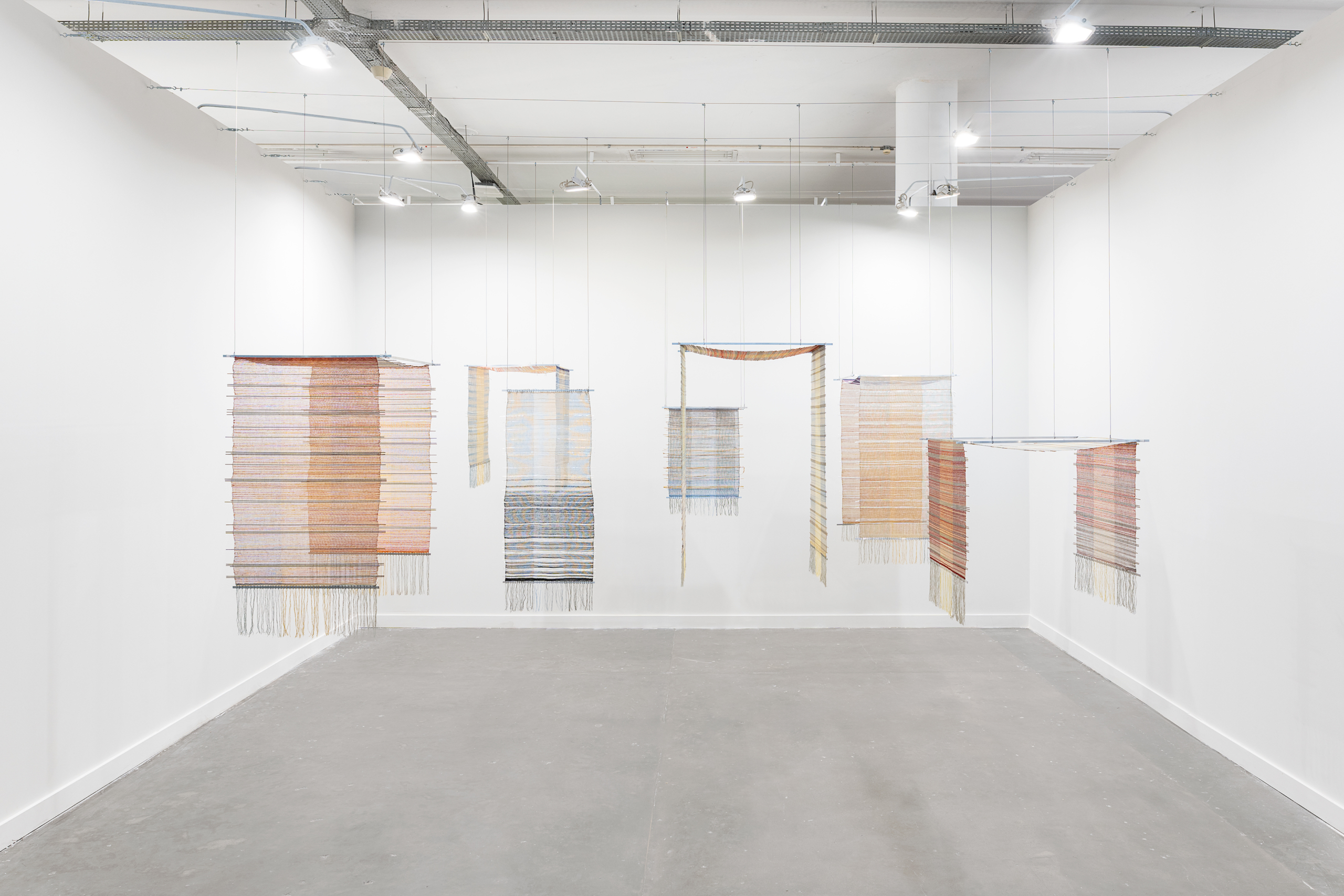
Formas de Reexistência (Installation), 2026
Woven with dyed wool and cotton, viscose, plastic cord, wheat wood. Aluminium hanging structure. Metal wire
Variable Dimensions
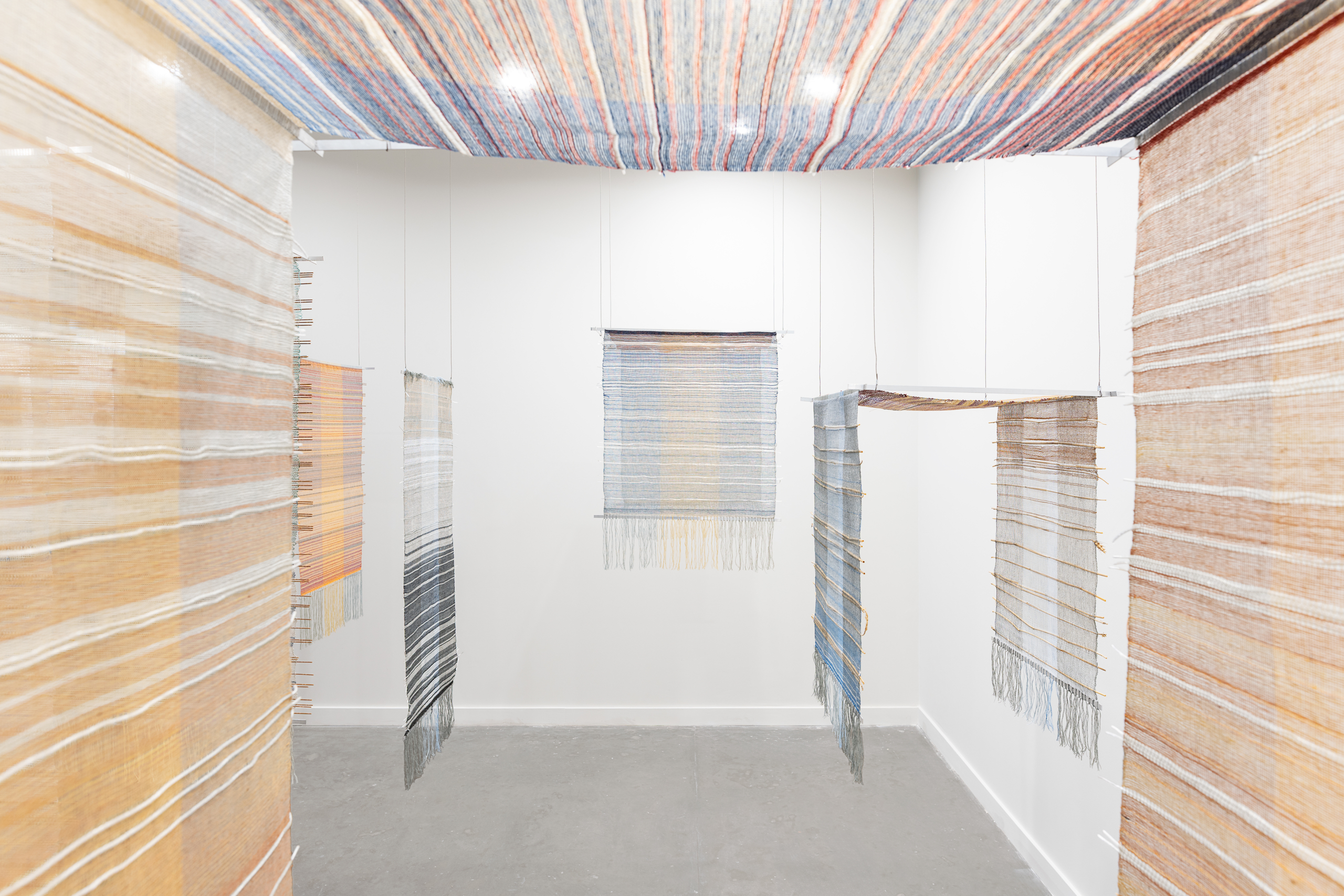
Formas de Reexistência (Installation), 2026
Woven with dyed wool and cotton, viscose, plastic cord, wheat wood. Aluminium hanging structure. Metal wire
Variable Dimensions
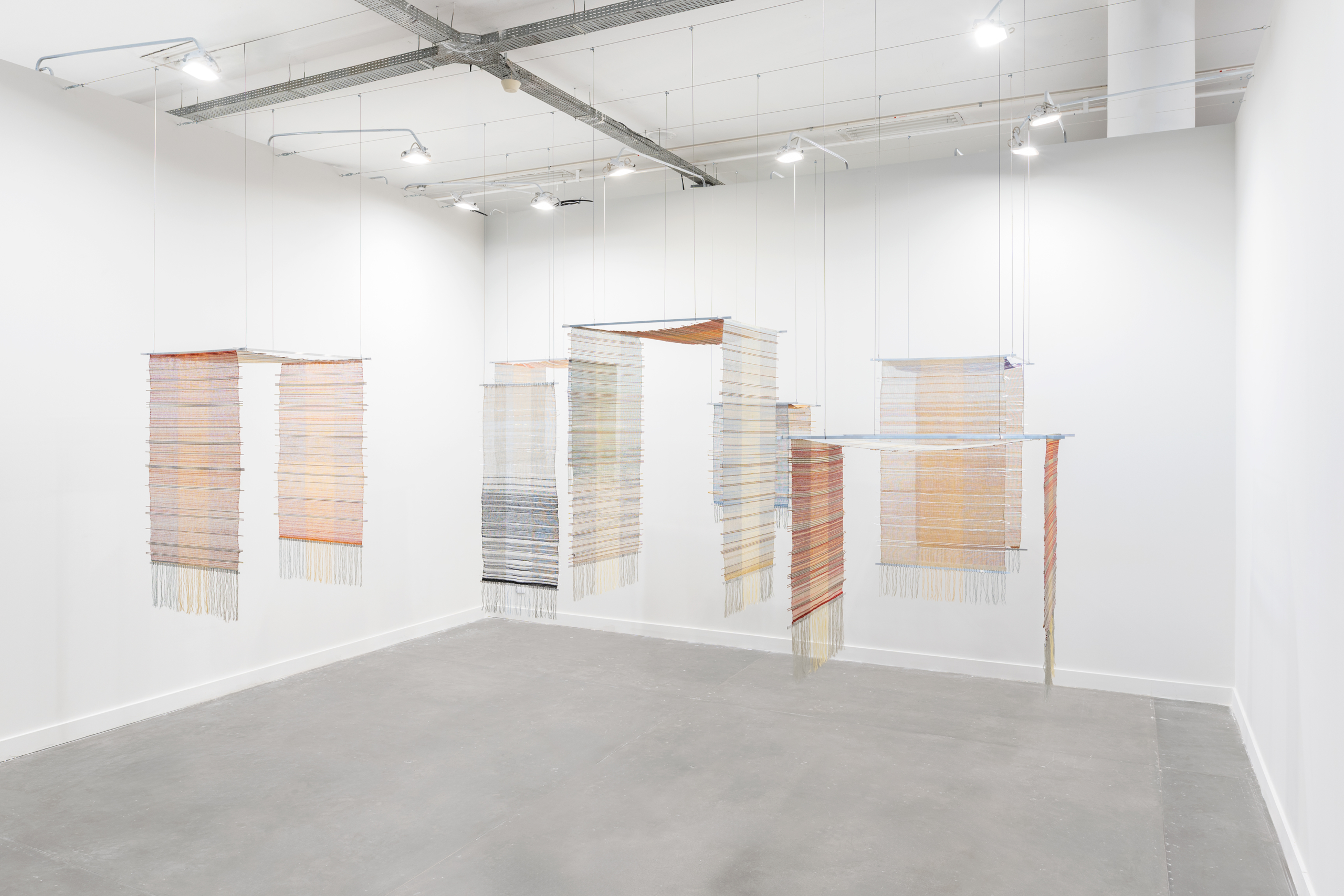
Formas de Reexistência (Installation), 2026
Woven with dyed wool and cotton, viscose, plastic cord, wheat wood. Aluminium hanging structure. Metal wire
Variable Dimensions
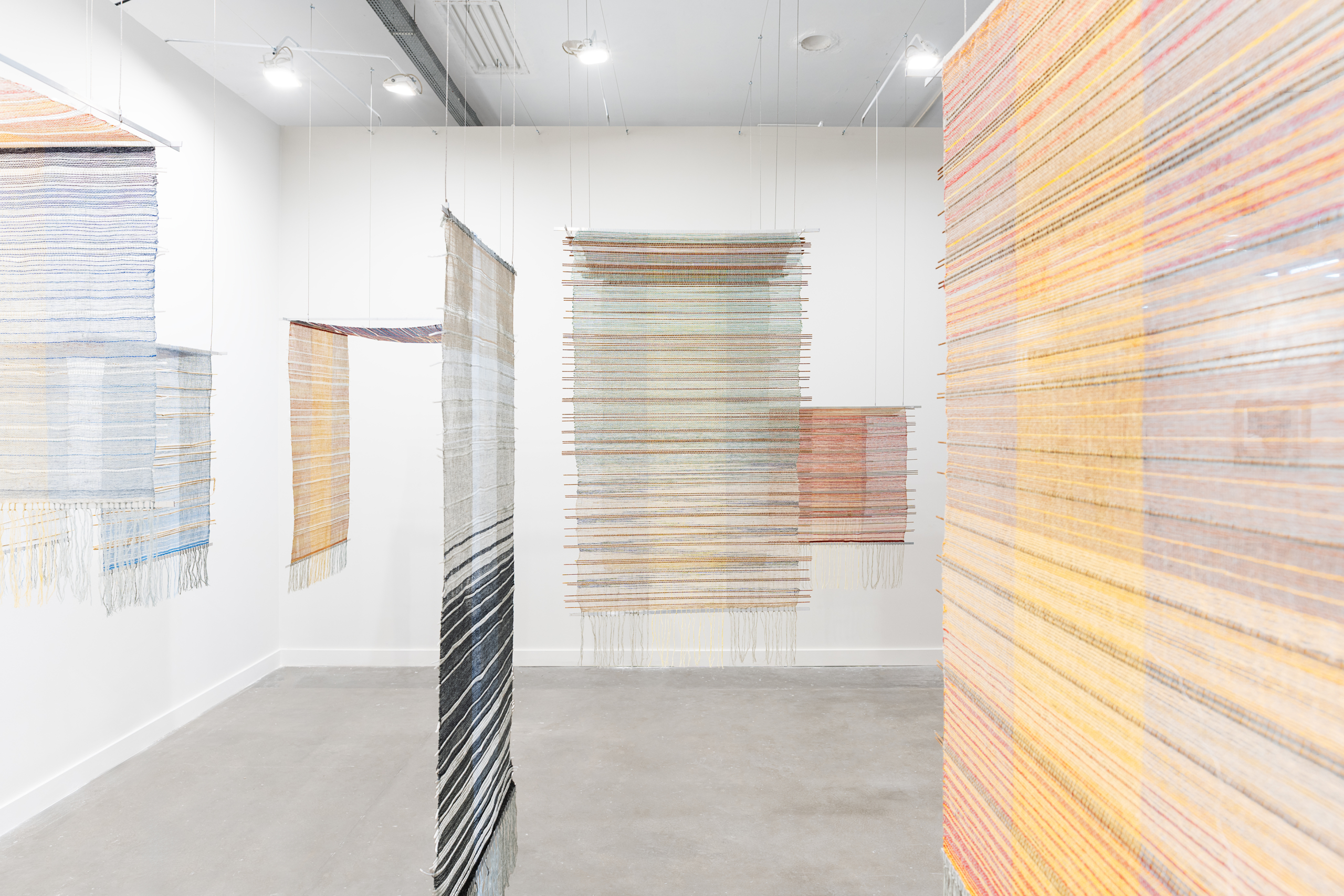
Formas de Reexistência (Installation), 2026
Woven with dyed wool and cotton, viscose, plastic cord, wheat wood. Aluminium hanging structure. Metal wire
Variable Dimensions
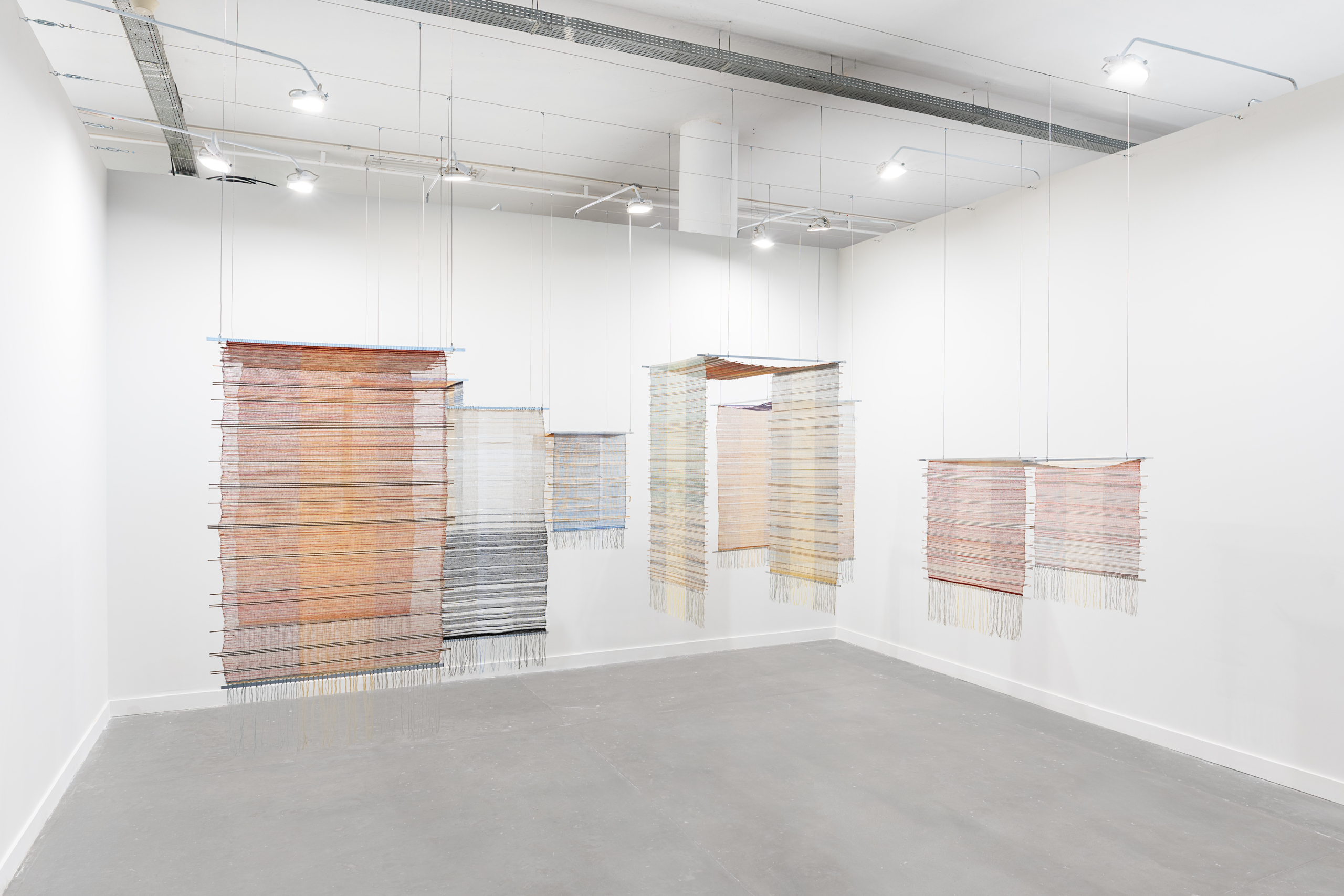
Formas de Reexistência (Installation), 2026
Woven with dyed wool and cotton, viscose, plastic cord, wheat wood. Aluminium hanging structure. Metal wire
Variable Dimensions
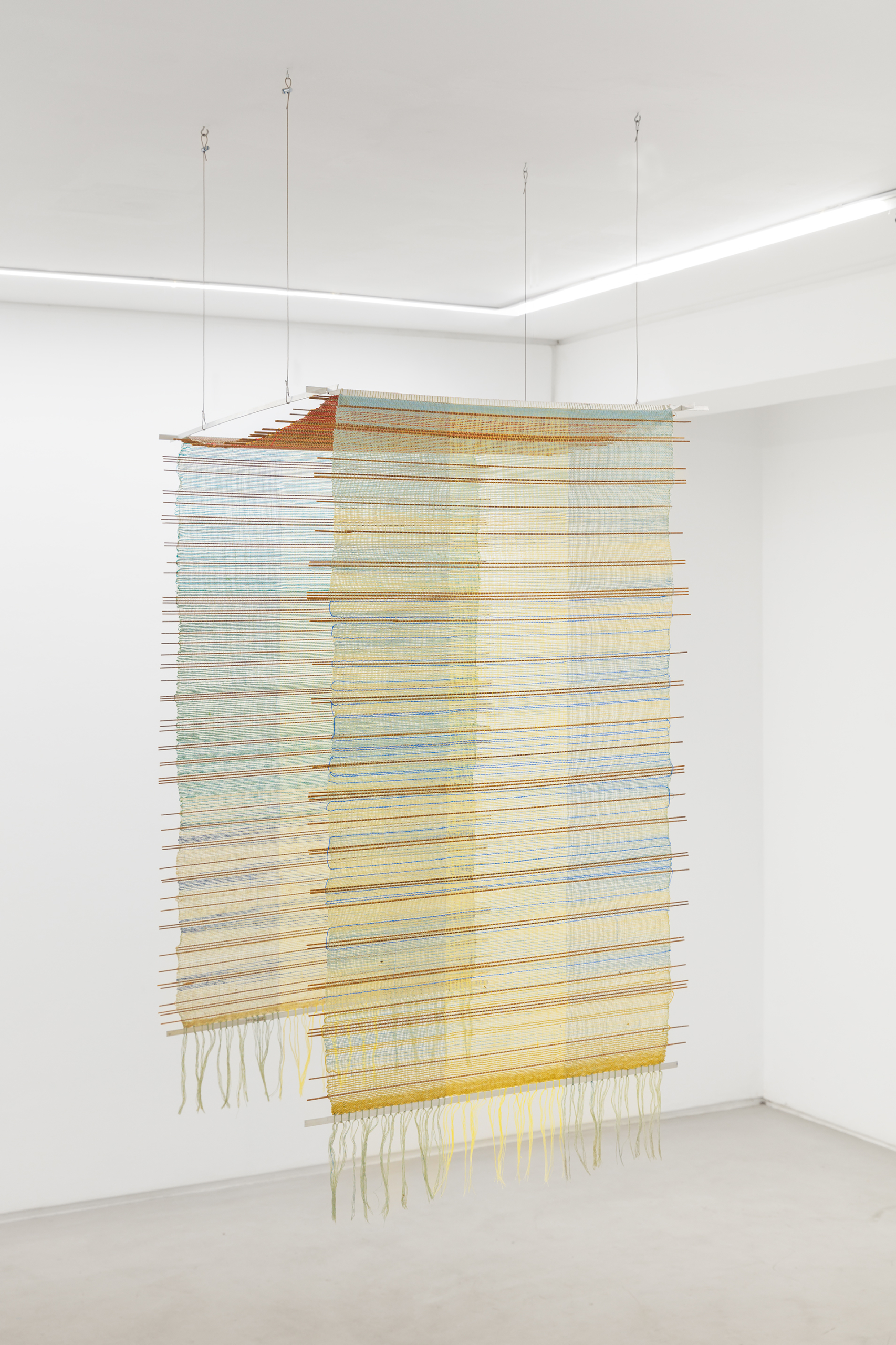
Formas de Reexistência I, 2026
Woven with dyed wool and cotton, viscose, wood. Aluminium hanging structure. Metal wire
120 × 70 × 80 cm
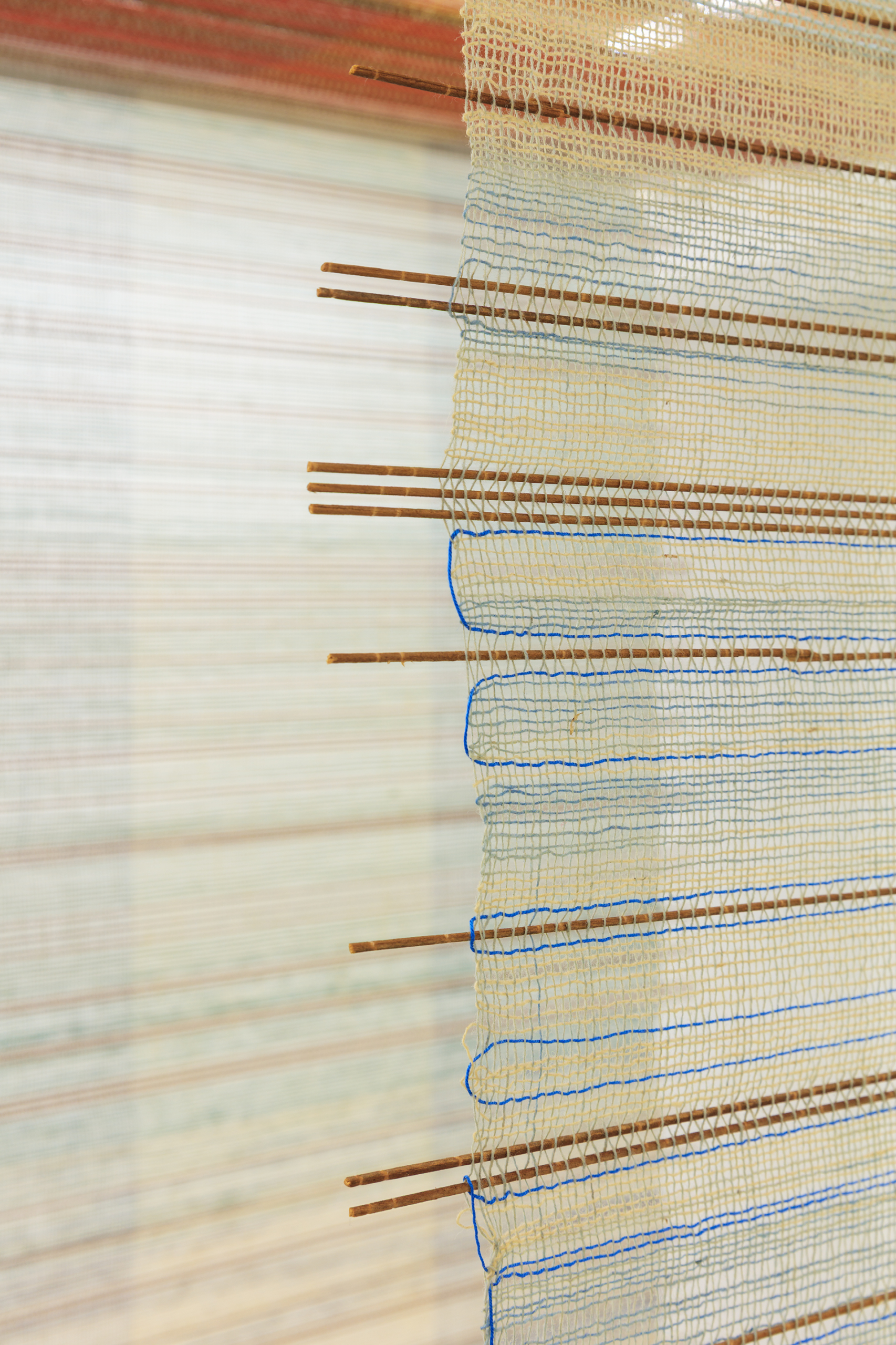
Detail of Formas de Reexistência I, 2026
Woven with dyed wool and cotton, viscose, wood. Aluminium hanging structure. Metal wire
120 × 70 × 80 cm
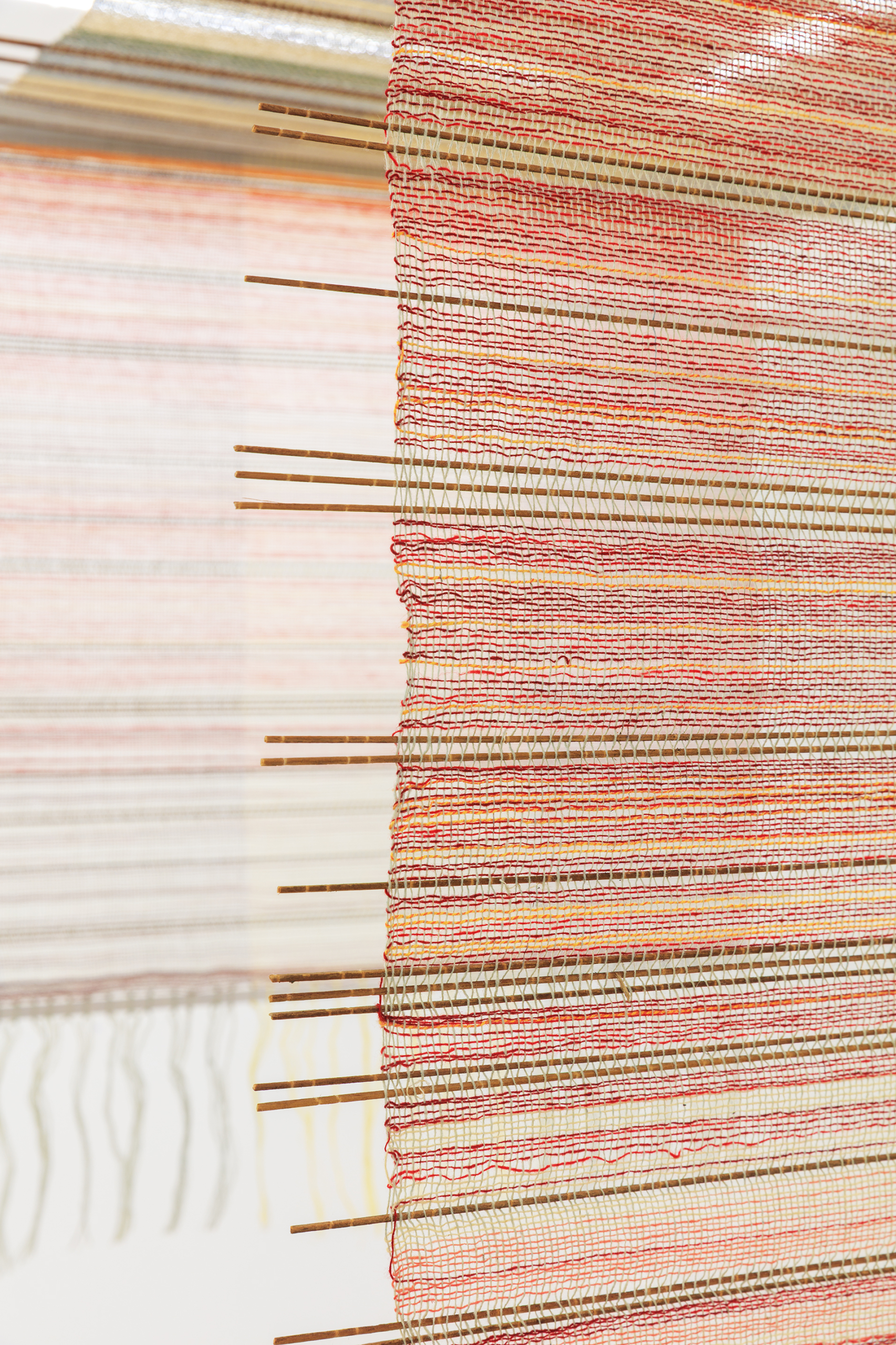
Detail of Formas de Reexistência II, 2026
Woven with dyed wool and cotton, viscose, wood. Aluminium hanging structure. Metal wire
80 × 80 × 70 cm
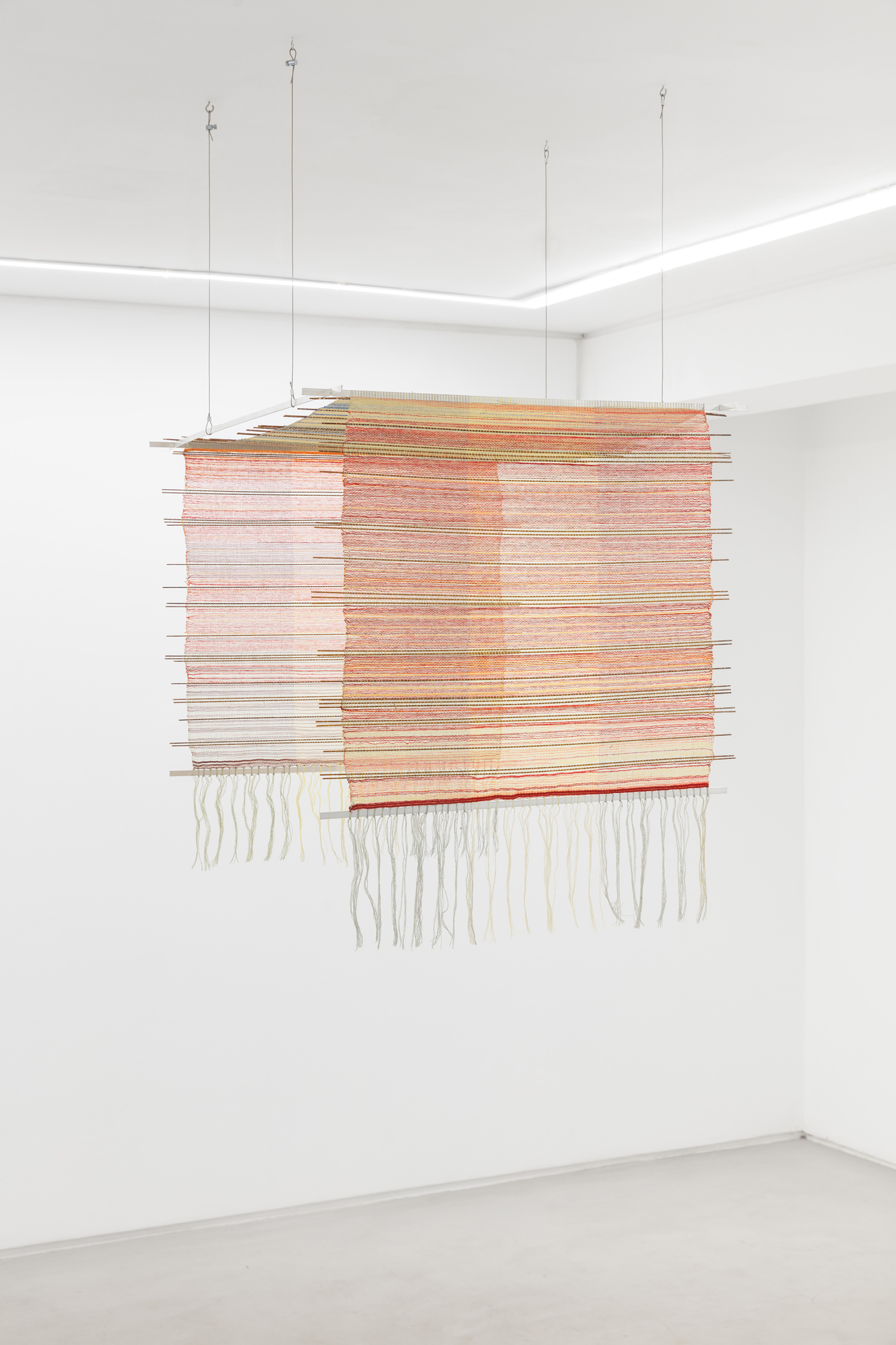
Formas de Reexistência II, 2026
Woven with dyed wool and cotton, viscose, wood. Aluminium hanging structure. Metal wire
80 × 80 × 70 cm
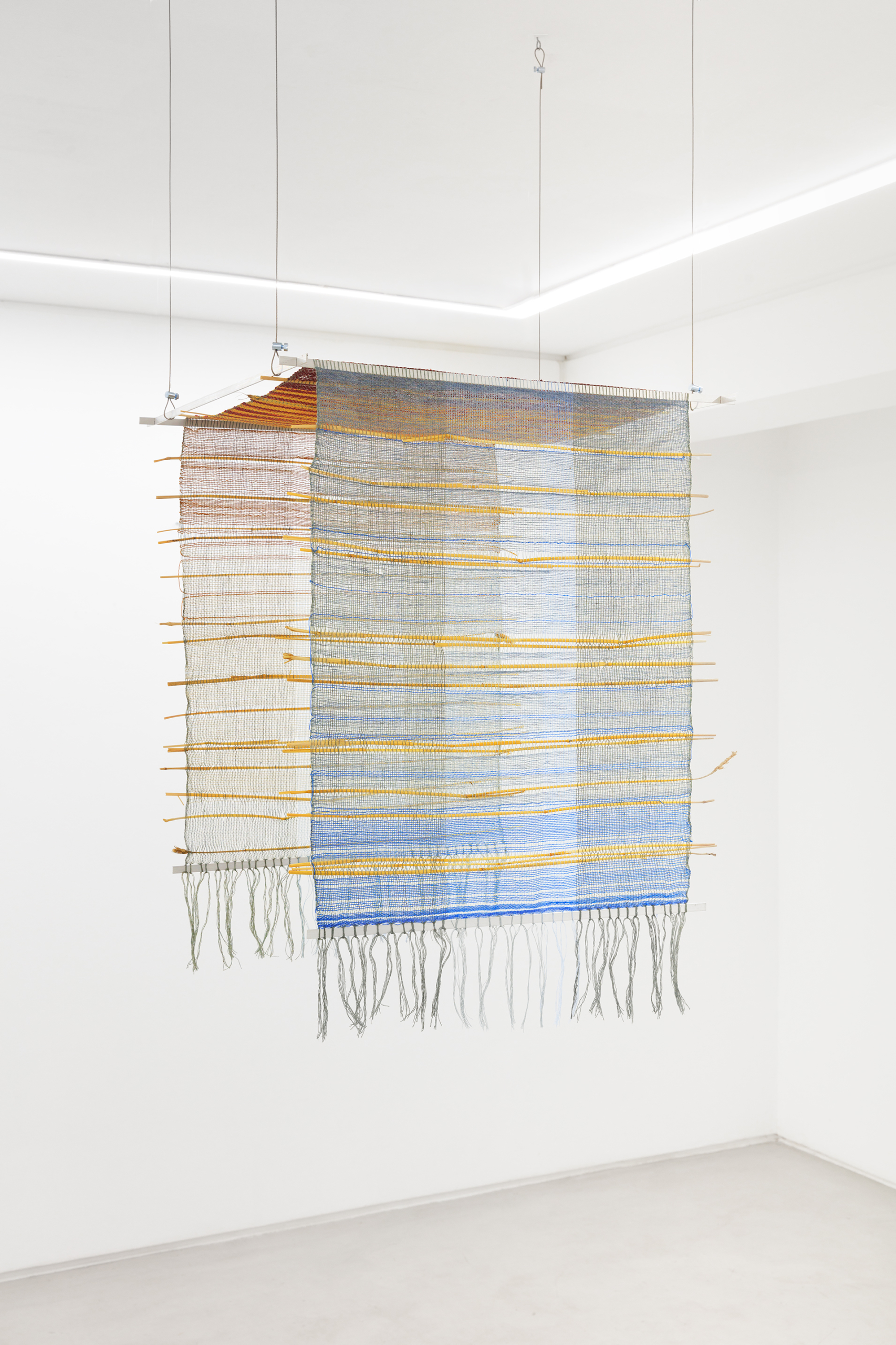
Formas de Reexistência IV, 2026
Woven with dyed wool and cotton, wheat. Aluminium hanging structure. Metal wire.
77 × 60 × 52 cm
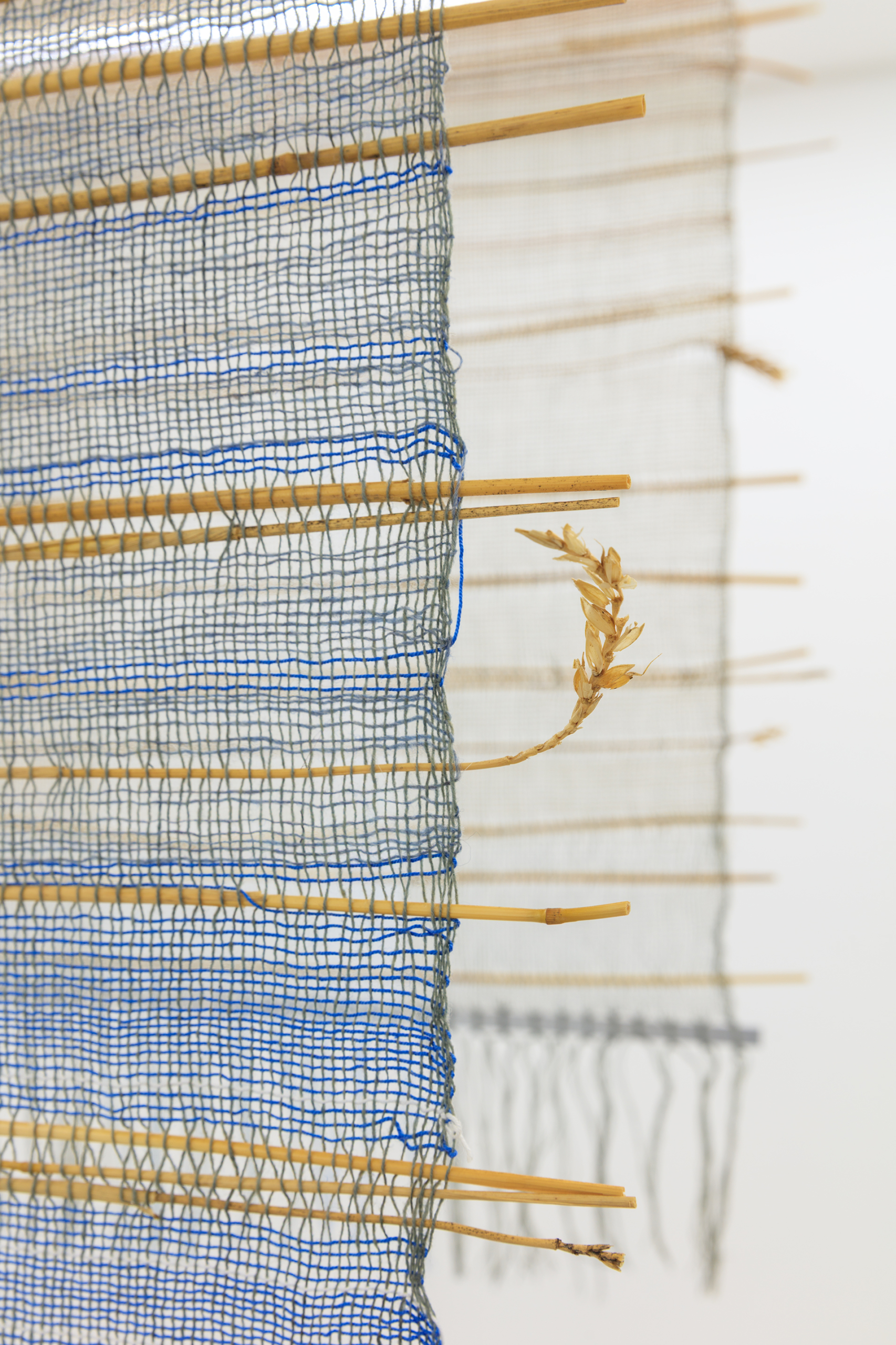
Detail of Formas de Reexistência IV, 2026
Woven with dyed wool and cotton, wheat. Aluminium hanging structure. Metal wire.
77 × 60 × 52 cm
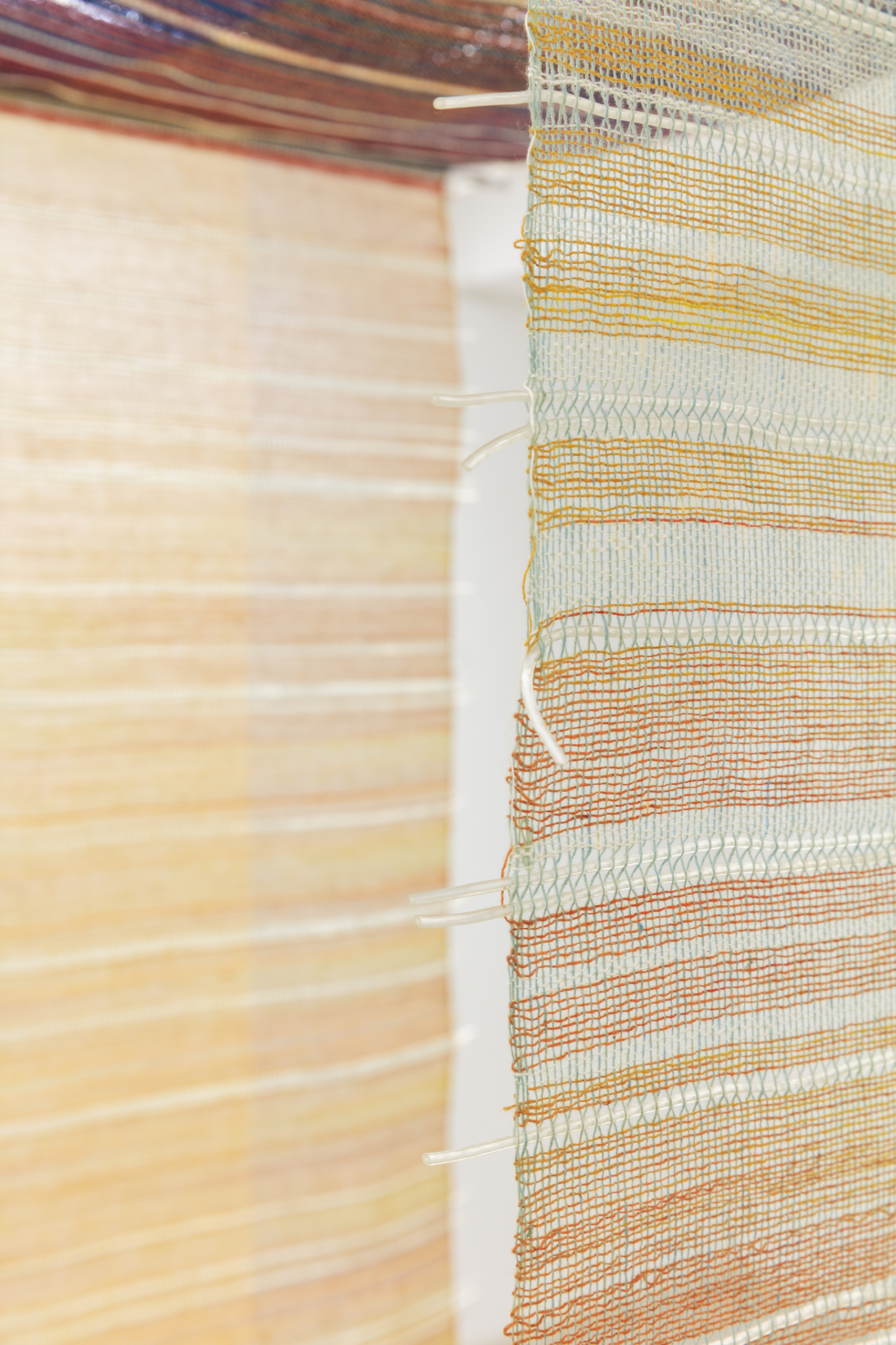
Detail of Formas de Reexistência VII, 2026
Woven with dyed wool and cotton, plastic cord. Aluminium hanging structure. Metal wire
77 × 60 × 52 cm
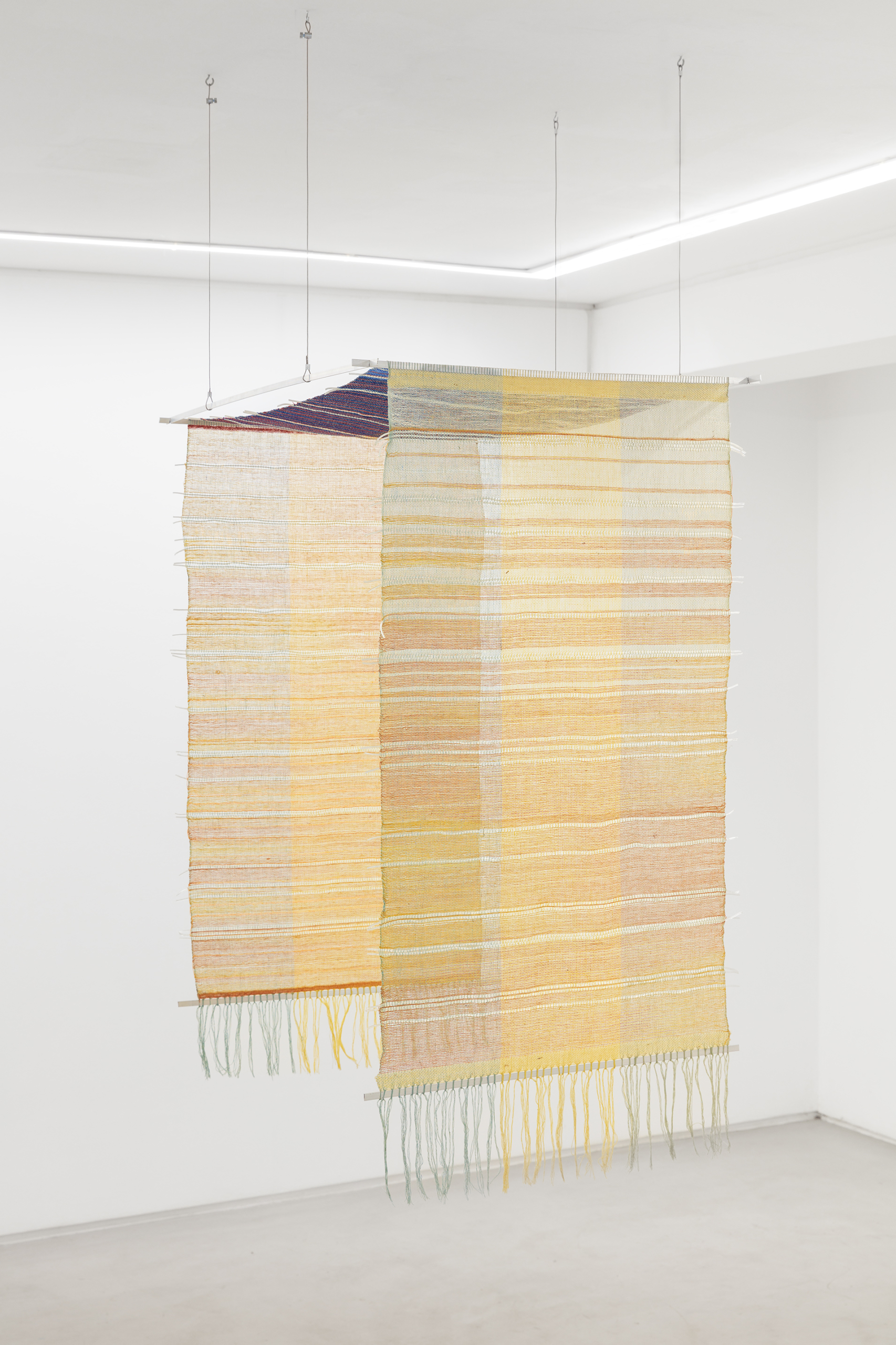
Formas de Reexistência VII, 2026
Woven with dyed wool and cotton, plastic cord. Aluminium hanging structure. Metal wire
77 × 60 × 52 cm
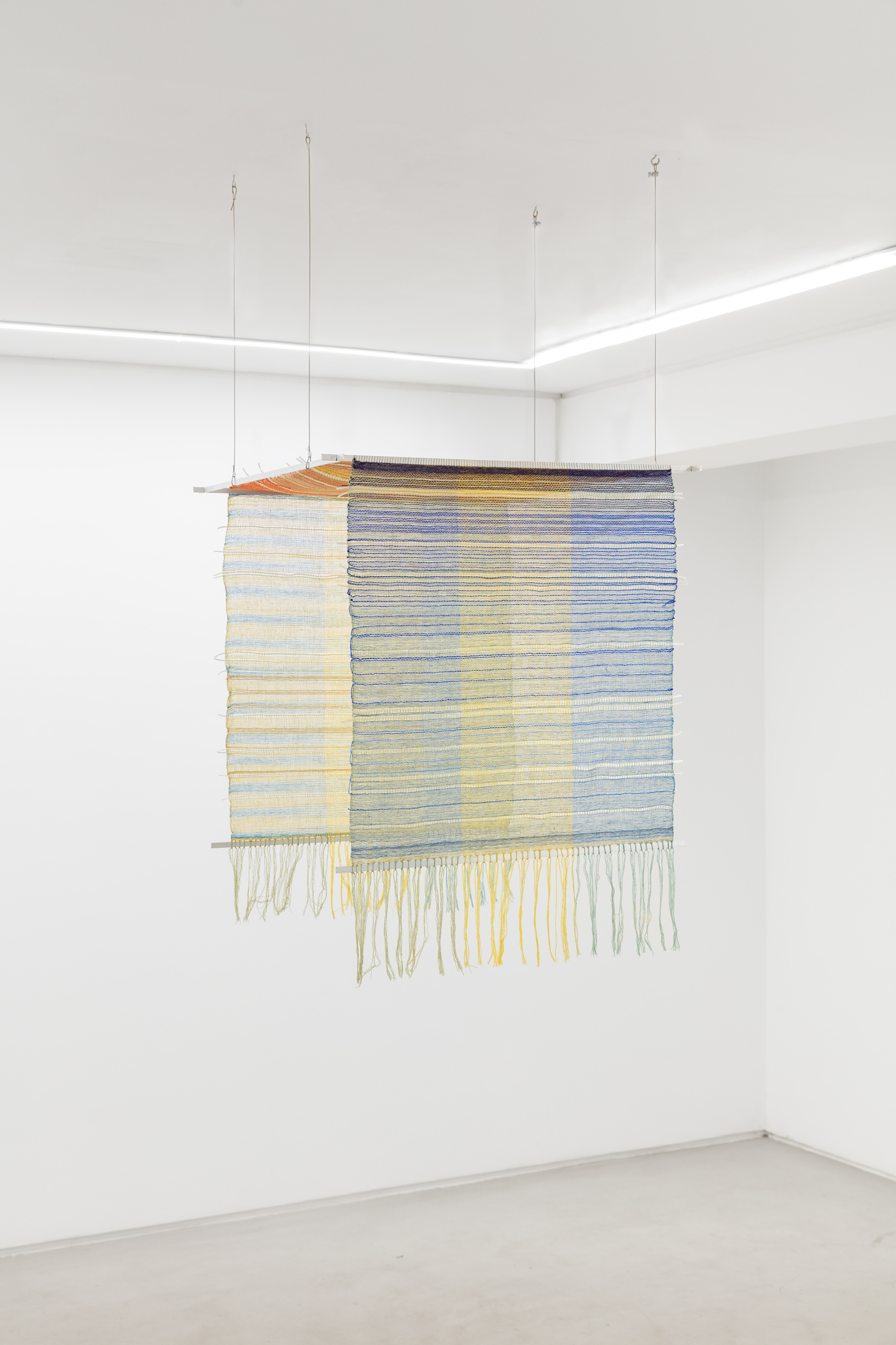
Formas de Reexistência VI, 2026
Woven with dyed wool and cotton, plastic cord. Aluminium hanging structure. Metal wire.
77 × 60 × 52 cm
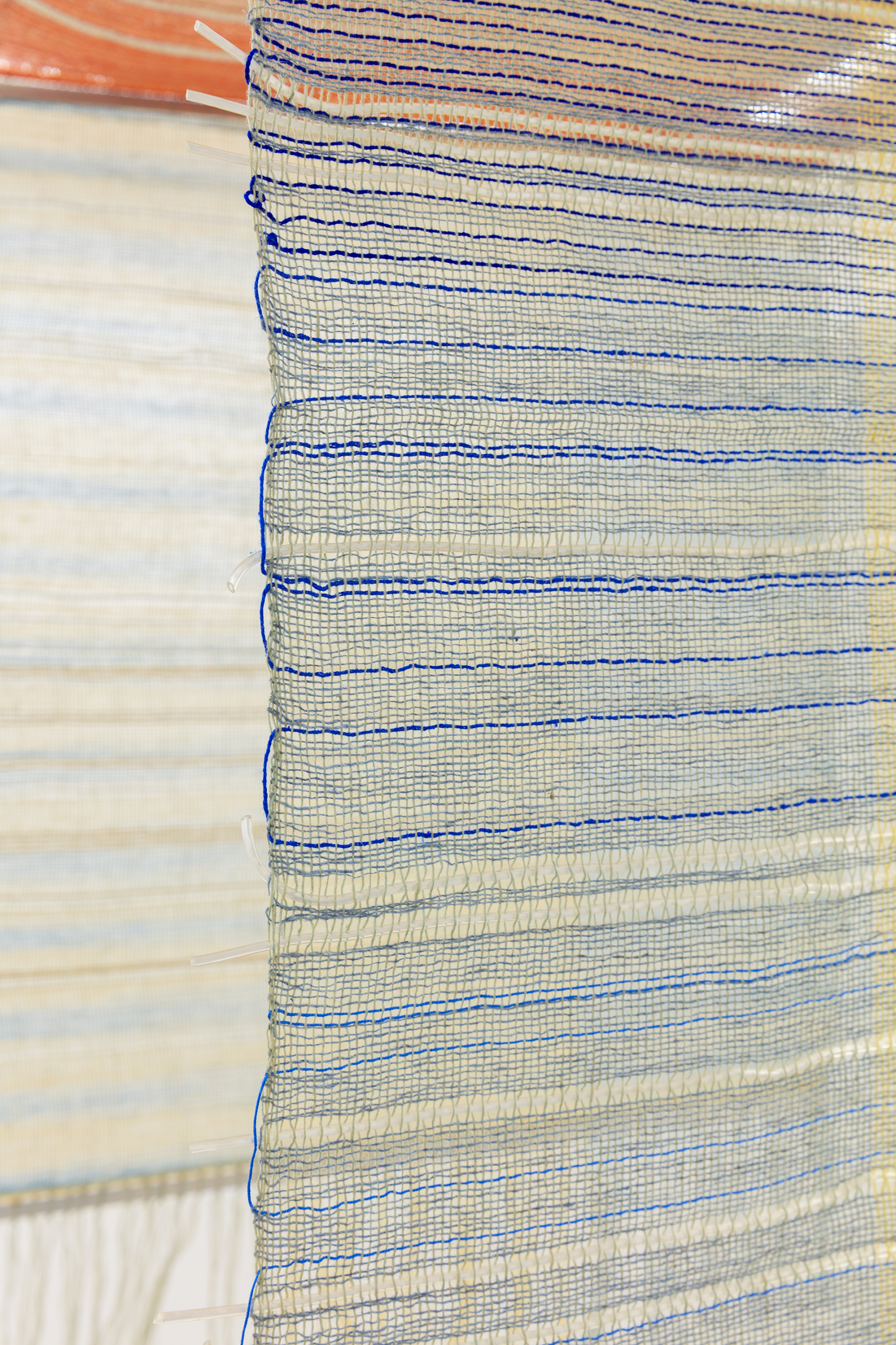
Detail of Formas de Reexistência VI, 2026
Woven with dyed wool and cotton, plastic cord. Aluminium hanging structure. Metal wire.
77 × 60 × 52 cm
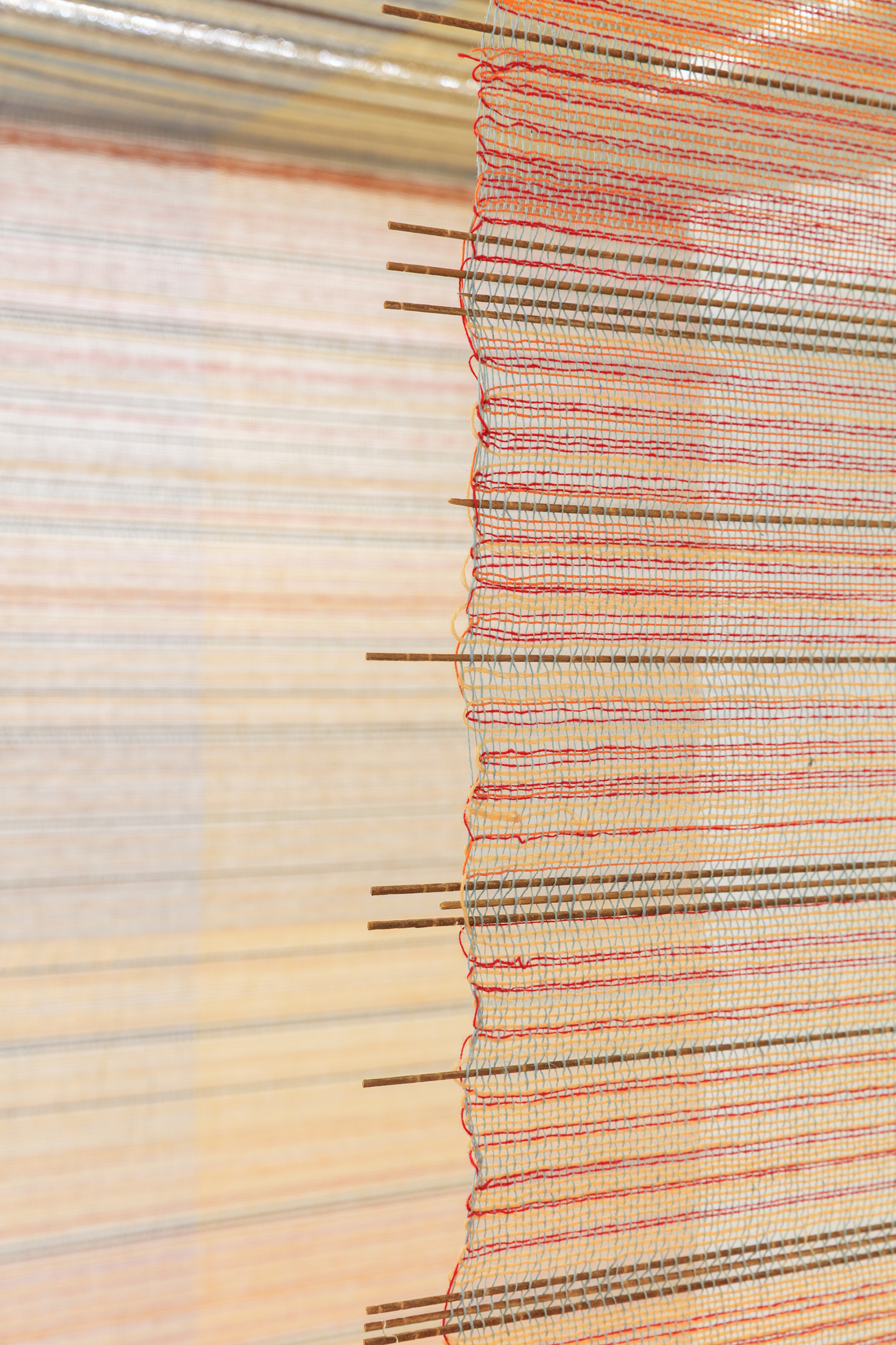
Detail of Formas de Reexistência VIII, 2026
Woven with dyed wool and cotton, wood. Aluminium hanging structure. Metal wire
77 × 60 × 52 cm
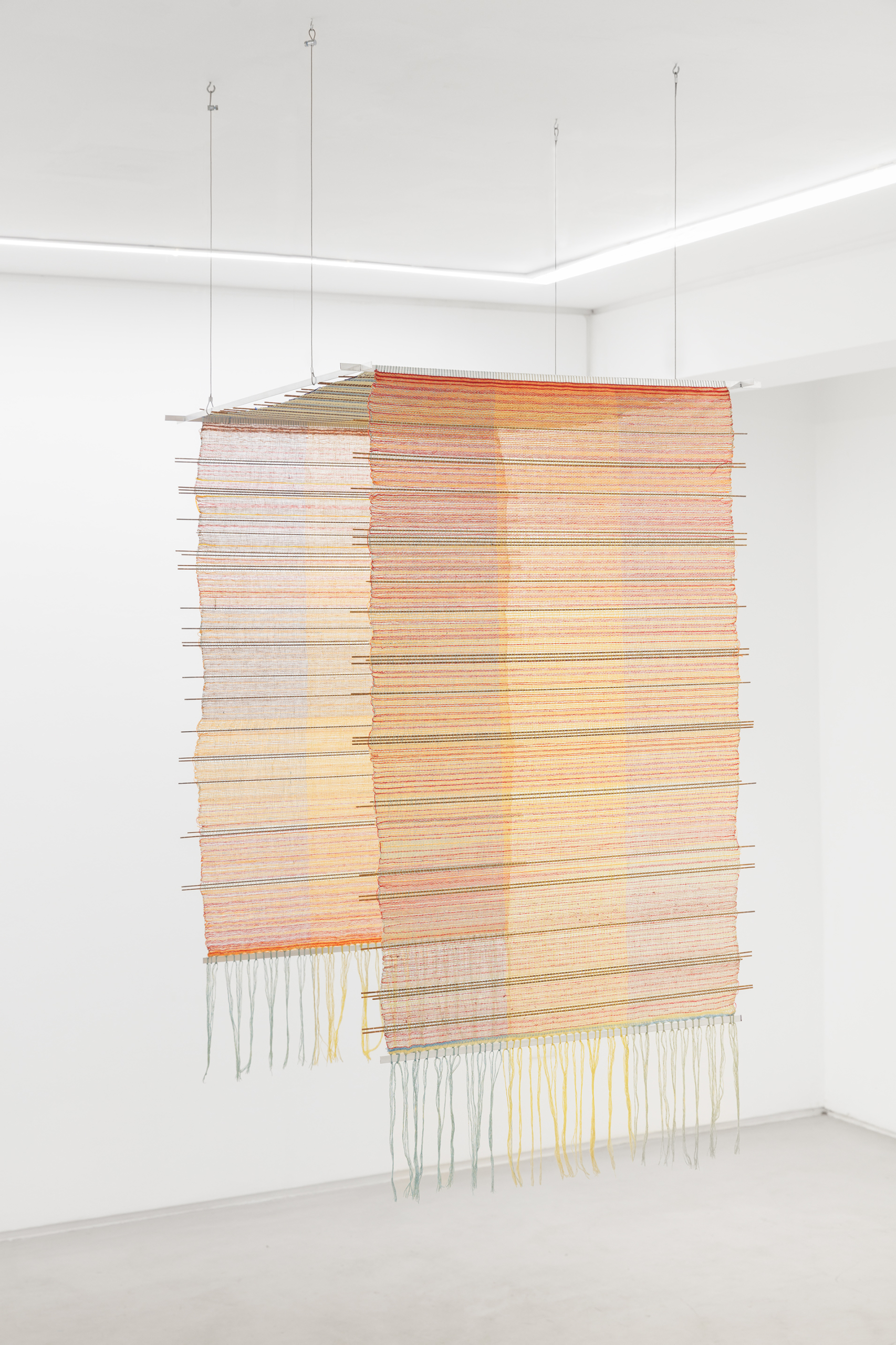
Formas de Reexistência VIII, 2026
Woven with dyed wool and cotton, wood. Aluminium hanging structure. Metal wire
77 × 60 × 52 cm
Galeria Foco is pleased to propose, for the upcoming edition of SP-Arte, a solo presentation of the young Portuguese artist Maria Appleton (1997, Lisbon).
Through acts of weaving, un-weaving, and re-use, Appleton materially and conceptually challenges the notion that life is composed of neatly intersecting threads. Instead, she suggests that events unfold as a continuous flow, made of shifting perspectives that incorporate knots and are shaped by loss, manifesting as gaps, opacities, or voids within the weave. Her practice explores the interplay of color and form through techniques such as dyeing, weaving, and printmaking. Working with cotton, silk, and industrial fabrics, she creates layered compositions that generate vibrant abstract transparencies, responding to light and spatial interaction. Her work investigates liminal spaces, both emotional and physical, where geometric codes and chromatic imprints converge into cartographic compositions linked to collective memory. By negotiating the balance between tangible presence and symbolic absence, Appleton’s practice evokes sensations, dreams, and recollections, engaging with the architecture of both public and private realms.
credit: Julia Thompson