Artissima 26
Gabriel Ribeiro
[30/10/26 - 01/11/26]
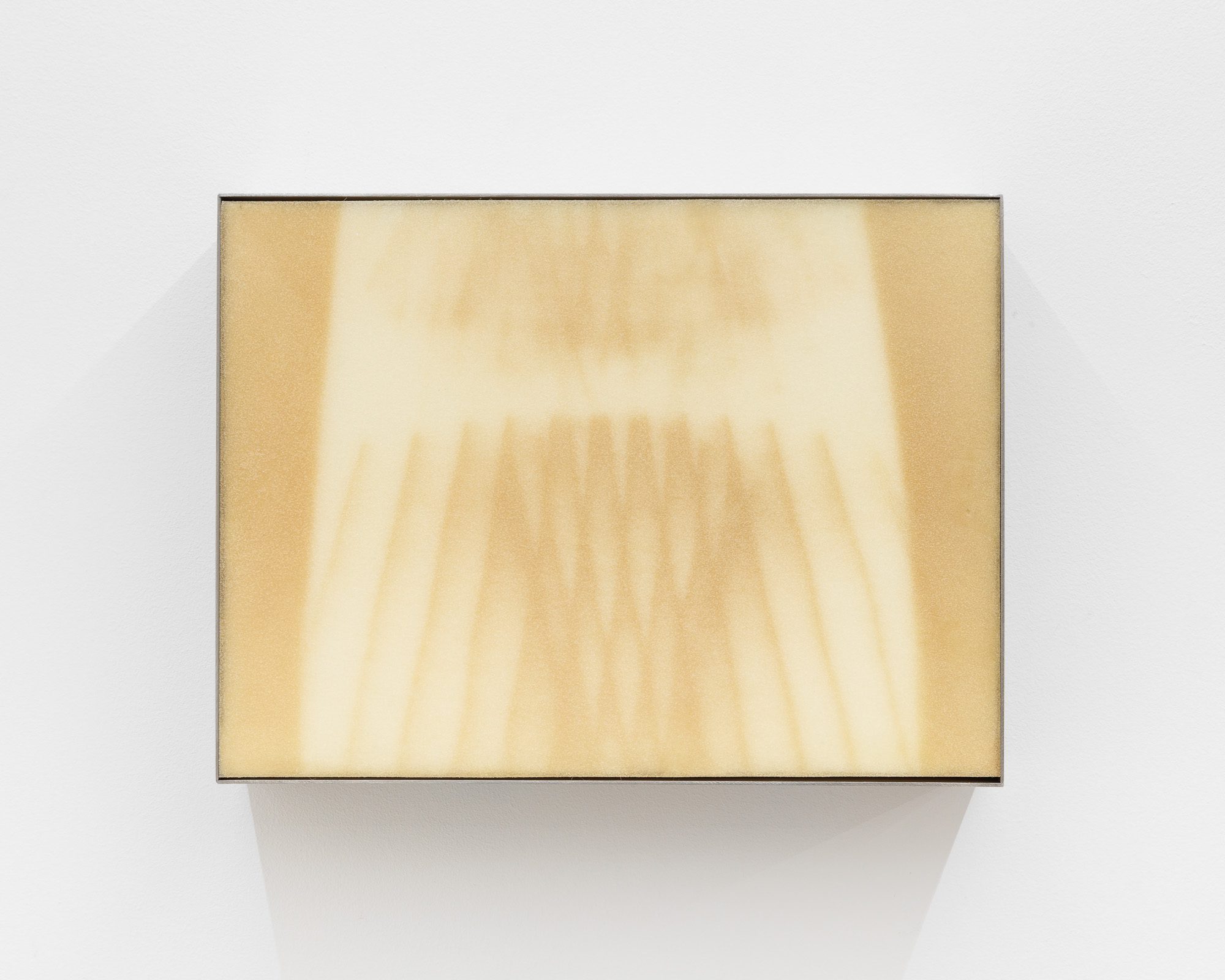
Untitled II, 2026
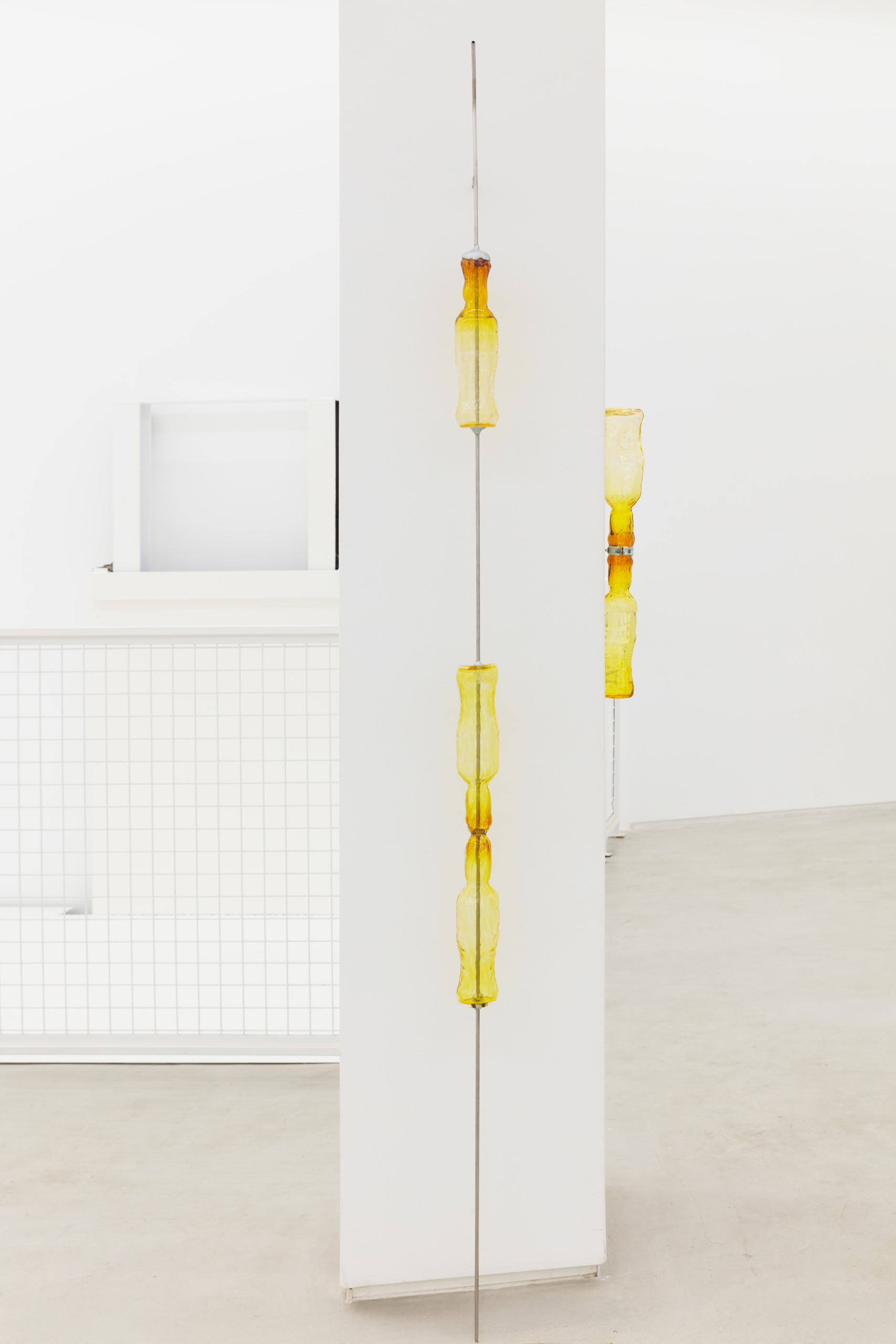
Urethra, 2025
Stainless steel, blown glass, epoxy putty, liquid metal
193x20x7 cm
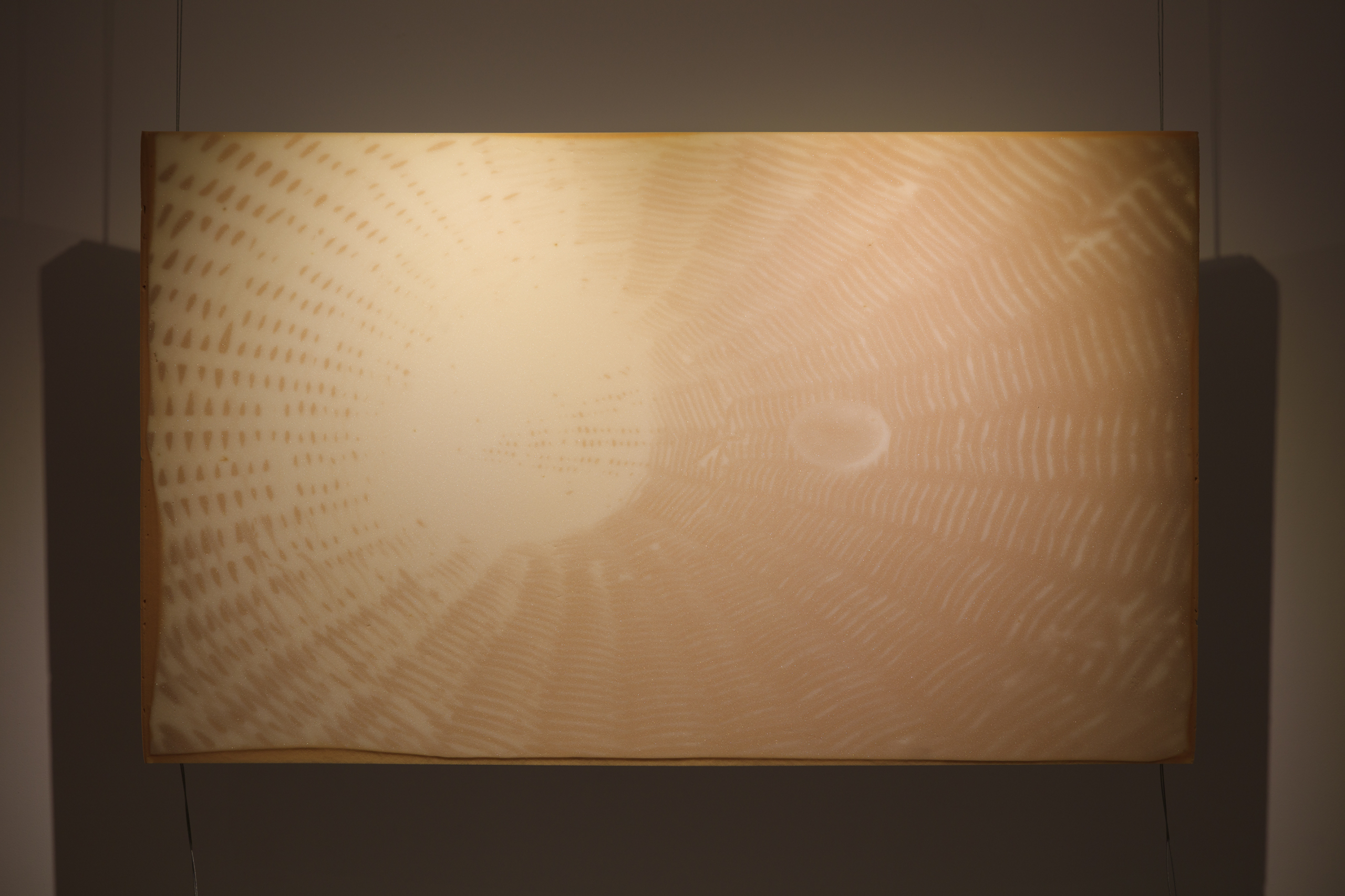
Sun-maid II, 2025
Solar print on polyurethane foam, cable, polycarbonate
120x10x202 cm
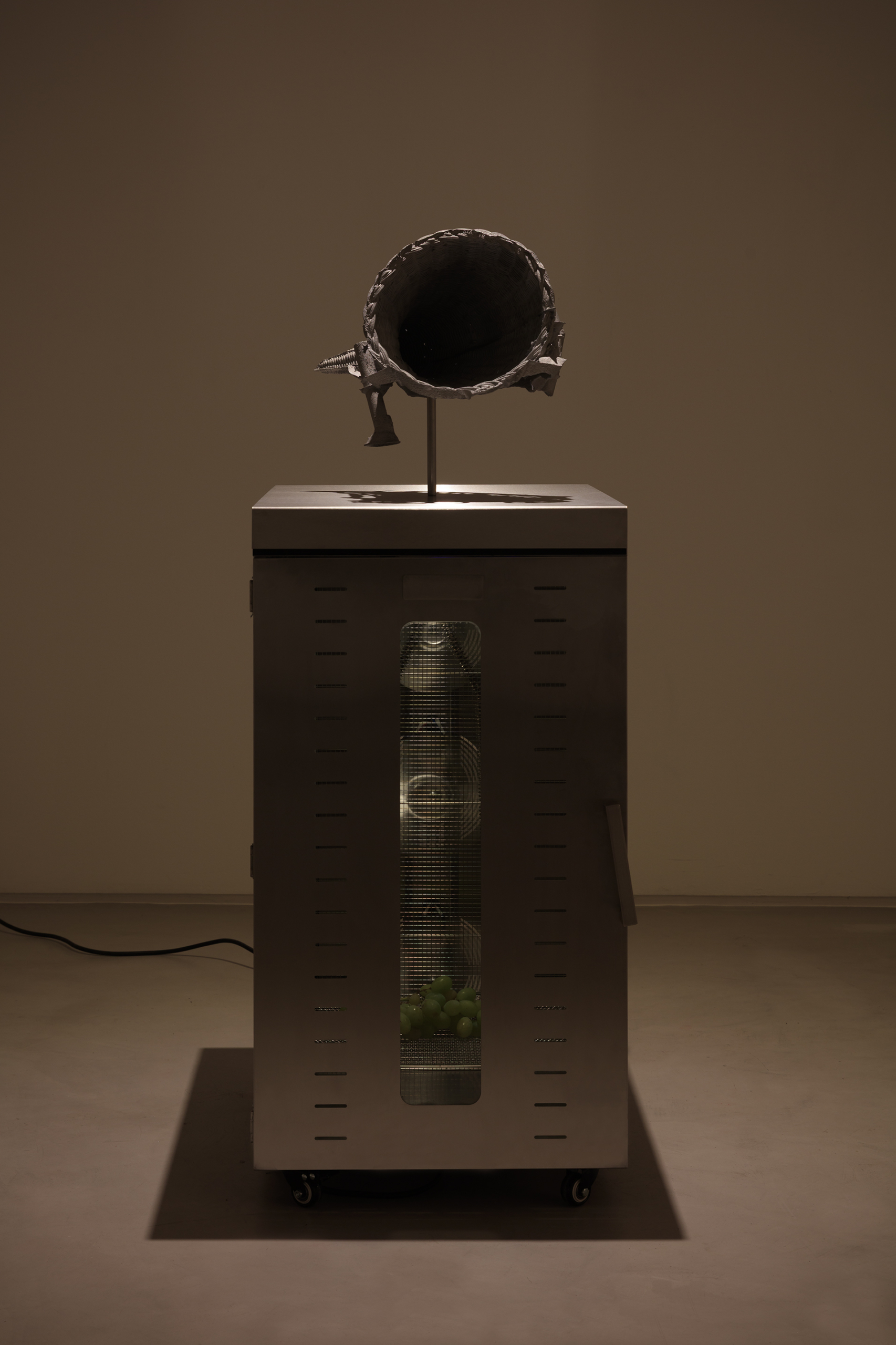
Horn of Plenty, 2025
Industrial dehydrator, stainless steel, cast aluminium, grapes
125x64x46.5 cm
Present Futures
Curated by Léon Kruijswijk and Joel Valabrega
For the upcoming edition of Artissima, Galeria Foco proposes for the curated section Present Future, a special project by Brazilian artist Gabriel Ribeiro (1990, Rio de Janeiro). The booth will be a sort of working laboratory: a site where material systems are constructed in order to be stressed, where objects are assembled in order to be deformed, and where the distance between a controlled experiment and an act of imagination is revealed to be almost nothing at all.
Part of the works on view originate from Reservoir (Galeria Foco, Lisbon, 2025), his latest solo exhibition, which focused on the circulation of water, on containers, and on the moment a container loses its capacity to hold. Glass forms are threaded through steel, amber and yellow, translucent, biomorphic, hovering between the anatomical and the infrastructural. Cameraless photographic prints line the walls: images made without optical apparatuses, by placing matter directly onto light-sensitive surfaces and surrendering the outcome to sun, time, and weather.
At the center of the booth, an industrial dehydrator runs continuously, processing fruit into something denser, smaller, and more concentrated. It also functions as a plinth supporting a cornucopia sculpture, a symbol of abundance that also appears imprinted in the sponge based solar prints. This technical device thus becomes an ode to metamorphosis, to the way loss can generate a new form of integrity rather than simply diminishing the original.
Throughout the booth, familiar object types (the tube, the vessel, the bottle) are dismantled and recombined into a system that appears functional but operates speculatively, evoking circulation without completing it, promising containment and then quietly refusing it. The booth itself is also treated as material. Its walls are coated in foam, a substance caught between interiority and exposure, between the architectural and the intimate, between infrastructure and skin. In buildings, it regulates heat, supports the sleeping body, and seals cavities; here, it makes those cavities visible, turning the structure of the booth inside out. What is usually hidden behind finished surfaces is brought forward (raw, soft, and cellular) connecting the industrial logic of construction with the biological logic of the works it contains. The container and the contained become the same thing.
Ultimately, Ribeiro’s protoscience does not seek to replace established disciplines, but to inhabit the space between them: between art and biology, between infrastructure and the cell, between precision and the unintentional, between matter and meaning. The booth at Artissima proposes this space as an invitation to look closely: not for fixed answers, but for the multiple and overlapping possibilities that emerge when certainty is treated not as a goal, but as a constraint to be undone.
In this sense, the project resonates with Artissima’s 2026 theme, embracing imagination as a dynamic and transformative force: one that moves between disciplines, destabilizes fixed structures, and opens space for alternative forms of knowledge and perception.